Hyper Japan is the UK’s biggest Japanese culture event, held
in London since 2010. It showcases a mixture of old culture and new: from
traditional crafts & cuisine to contemporary fashion from the streets of Harajuku
(Tokyo’s fashion district). From the 25th to the 27th of
July in Earls court, it is a chance to
dip into another country without leaving your own.
The queue to enter is a sight to behold, as those already interested
in Japan dress up for the occasion in detailed costumes. Some people cosplay as
characters from games and anime, others are clad in complex doll-like Lolita
dresses or covered in elaborate accessories. These bright displays only
increase as you enter.
There are many booths offering different pieces of Japanese
culture. One of the most eye-catching is the ‘kawaii’ area. Kawaii
is the Japanese word for cute, and at Hyper Japan it certainly lives up to its
meaning. Stalls selling fashions in cheerful pastel colours, with intricate
lace adorning every hem, and shoes riddled with bows are everywhere. Stationery
is on every stand too, with a seemingly endless variety of pencil toppers,
stickers and erasers, all with cheeky faces. Somewhat confusing is the
obsession with plushie alpacas and mini vegetables; apparently anything goes
here in the name of cute.
There are three performance stages at Hyper Japan; at these
you will find demonstrations of Japanese technology, dance, music and many
other shows. A popular attraction on stage is the various examples of J-pop
(Japanese pop music): which at first sounds high pitched and sugary, but you’ll
be humming ‘PonPonPon’ on the journey home. To ensure you don’t miss the main stage
shows programmes are essential to help plan your day and available for free on
entry, remember to leave enough time to ensure you get the best seats.
For those looking for the more traditional aspects of
Japanese life, you can find the elegant bonsai tree garden. Here miniature trees
have been expertly grown into complex knots; the result of knowledge passed
down over the centuries. To get a more
hands-on grasp of the culture there is the workshop tables. Several traditional
skills and pastimes can be tried here for free, such as origami, haiku writing
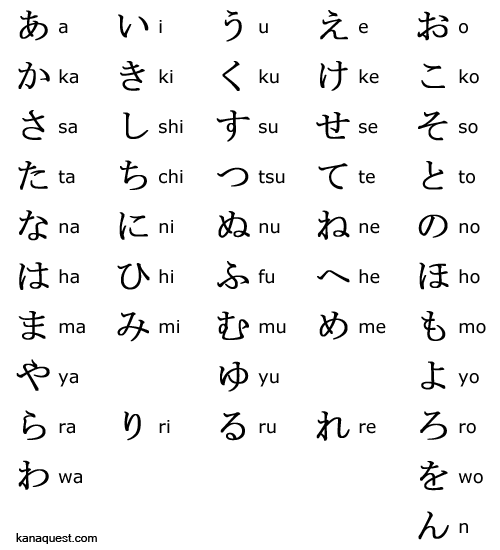
and the opportunity to paint your name in the Japanese alphabet. There is also
the opportunity to wear the clothing which usually springs to mind when anyone
mentions Japan: kimonos. Although, you will soon realise that there are many
different styles of this dress, for example special kimonos for different
seasons and occasions. Their patterns are designed to capture the eye, with
vibrant colours and images of iconic Japanese symbols; serpentine dragons,
cherry blossoms or graceful koi carp.
After all that discovery, food is probably the next thing to
seek out. Hyper Japan offers many Eastern delicacies. There is a whole area
named Eat-Japan, which houses the Sushi Awards. Here, skilled chefs present
some of their finest pieces of the culinary phenomena. Sushi is a mix raw fish
and seaweed, something many people fear, yet you can’t help but admire the
artistic presentation. The chefs’ precise carvings can leave a fillet of Salmon
looking like a rosebud - almost a crime to eat. For £5 you can try a sample
from each of the chefs in the booth and then vote for your favourite. Then there
is the Sake Experience, a taste of Japan’s infamous fiery rice-based alcohol.
Here you can try many different blends of sake, much like a wine tasting event.
There is a surprising variety to the drink, depending on the region it’s from, brewing
technique and type of grain used.
Japan is also known, of course, for technology. Japanese game developers, such as Nintendo and
Capcom, have stands demoing their upcoming games at Hyper Japan. This area
often draws a big crowd; many are eager to test-drive the games. Unfortunately,
this means that queues for some bigger titles can be quite long and you could
expect to wait for awhile.
To many people, Japan appears to be summed up with anime, robots
and geishas. Hyper Japan will make you realise that they are barely even the
surface of this rich culture. Attending gives you the chance to discover a world
far removed from our own, one bedded in tradition yet also refreshingly modern.